
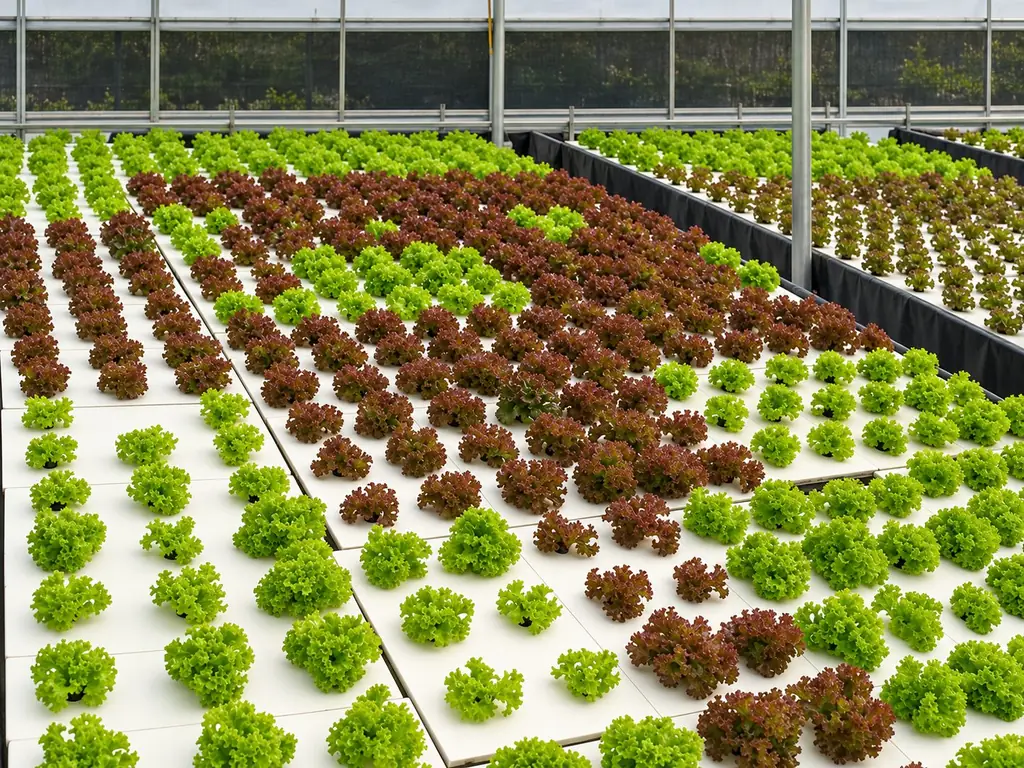
Commercial hydroponic farms
End-to-end design and installation of commercial hydroponic farms for leafy greens, herbs and specialty crops.
About commercial hydroponics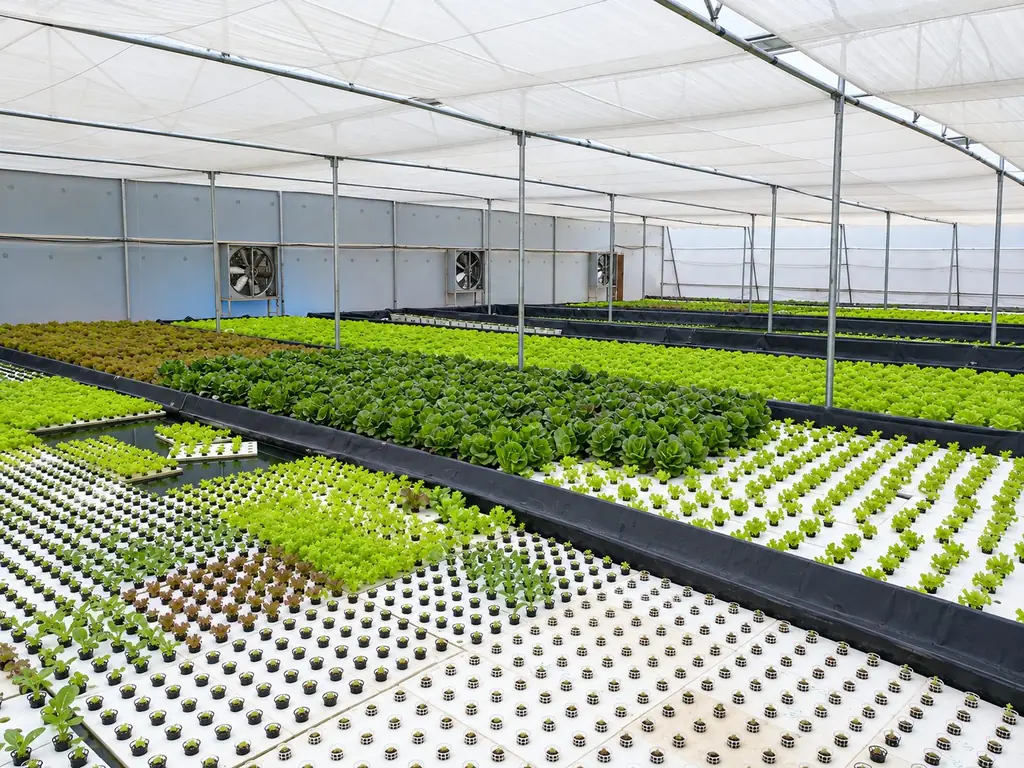
Hydroponic farms and greenhouses, since 2015
We design and build commercial hydroponic farms and greenhouses, and grow pesticide-free greens, herbs and berries at our own farms in Manesar and Nashik — supplying buyers across Delhi NCR and Mumbai since 2015.
Recognised by Forbes 30 Under 30 Asia (2019) and Forbes India 30 Under 30 (2020)
Featured inYourStoryThe Better IndiaOpen Magazine
Every project starts with feasibility and site assessment. Nothing gets built until the economics and engineering line up.
End-to-end design and installation of commercial hydroponic farms for leafy greens, herbs and specialty crops.
About commercial hydroponics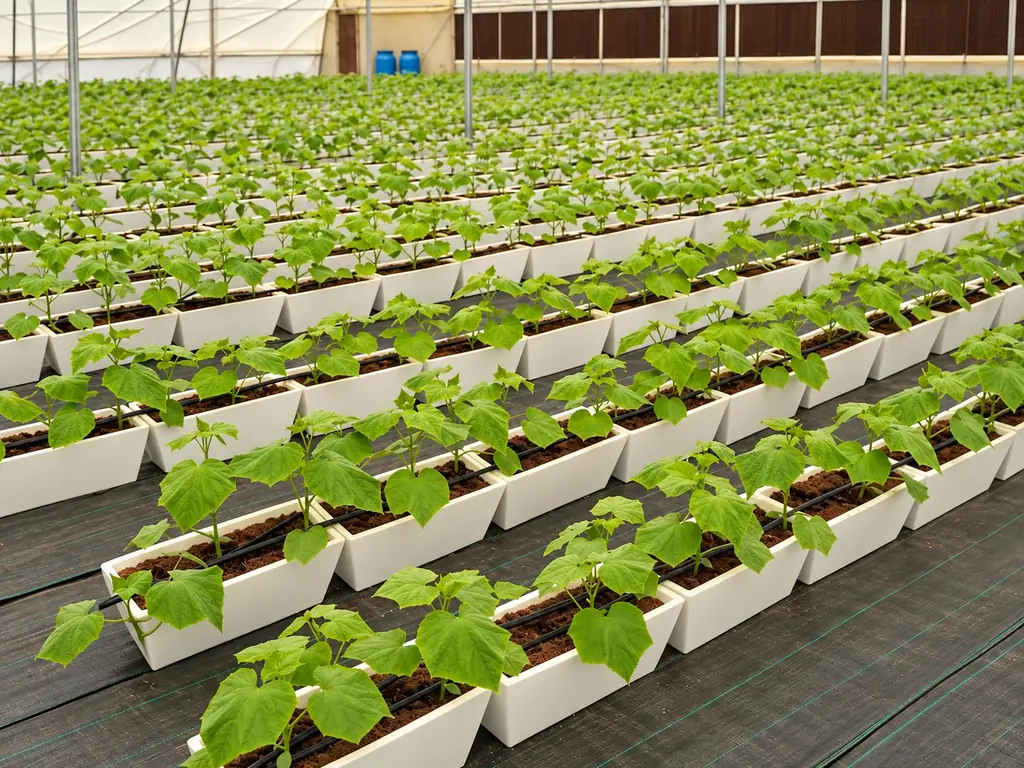
Turnkey polyhouse and controlled-environment greenhouse projects engineered for Indian climate zones.
About greenhouses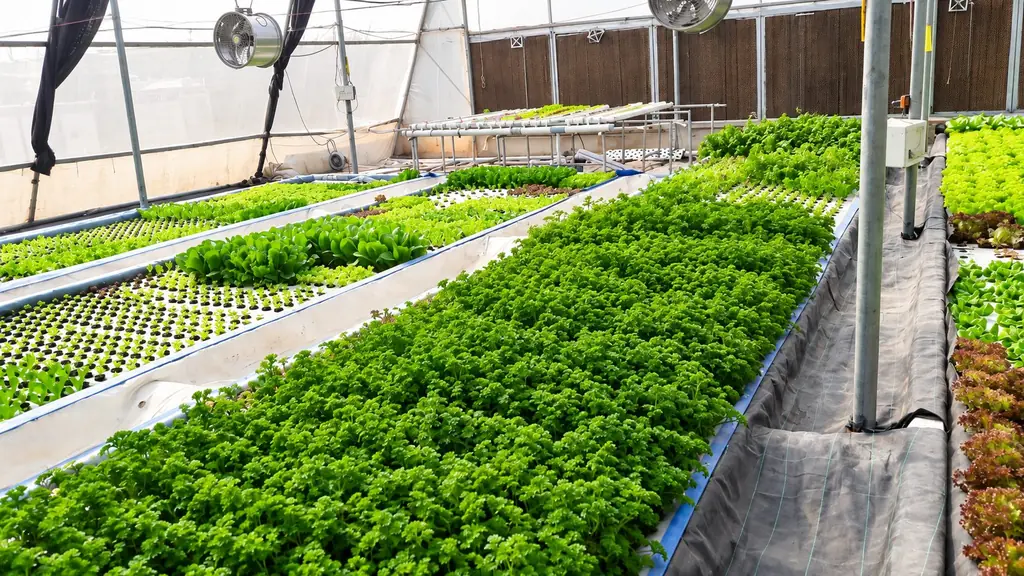
Sensor networks, fertigation control, climate automation and monitoring for existing and new facilities.
About farm automationConsistent, pesticide-free supply of leafy greens, herbs and berries from our own farms.
Explore produceTurnkey hydroponic farms and greenhouses — engineered for the crop, climate and commercial goals you're planning around.
See solutionsAutomation, monitoring and fertigation retrofits that reduce operator load and give you real numbers to manage against.
Explore farm automation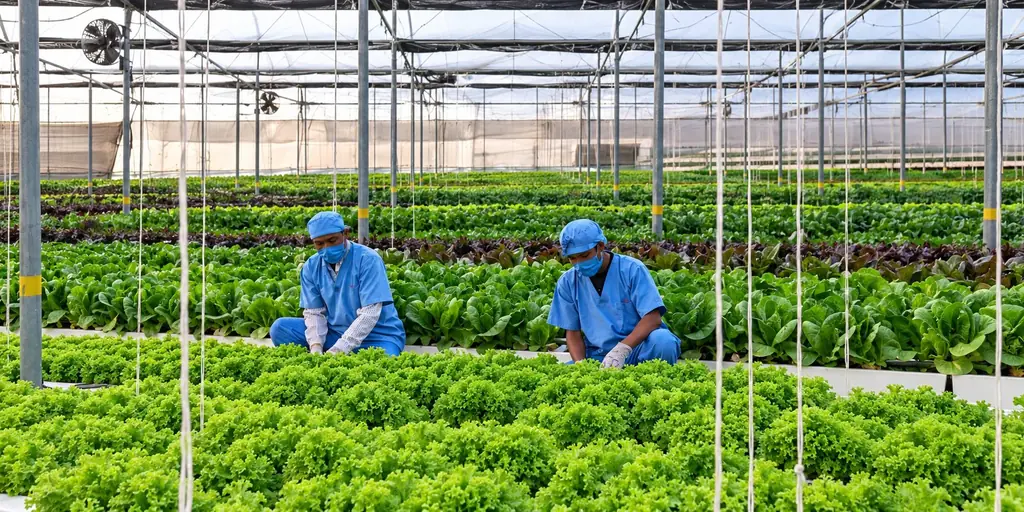
Every design accounts for local climate, water quality and power realities. No off-the-shelf kits pretending to be commercial systems.
We start with unit economics. If a project doesn't make financial sense, we say so before you break ground.
Sealed climate-controlled environments let us manage pests through exclusion and biology — not chemicals.
We run our own farms. Every recommendation we make is one we've stress-tested in production.
Harvested to order, on a short chain from our farms to your kitchen.


Supplied to retail & HoReCa
In development
Systems & engineering
Most hydroponics content online is written by people selling kits. This one is written by people who grow lettuce and berries for a living.
· 4 min read
Systems & engineering
A polyhouse doesn't make a farm profitable. The crop, the climate fit and the buyer do. Here's how to think about all three.
· 3 min read
Crops
The best hydroponic crop isn't the one with the highest price per kilo. It's the one you can sell every week to the same buyer.
· 3 min read
Triton Foodworks was founded in 2015. We design and build commercial hydroponic farms and greenhouses, and grow pesticide-free produce at our farms in Manesar (Haryana) and Nashik (Maharashtra), with 250,000+ sq ft under cultivation. ChopChop is our consumer produce brand.
Hydroponic farming grows plants in nutrient-rich water instead of soil, inside climate-controlled environments. Closed-loop systems deliver measured minerals directly to the root zone, which lets growers control yield, food safety and resource use in ways open-field farming cannot. We use NFT, deep-water culture and drip-fed substrate systems depending on the crop.
Our farms are in Manesar, Haryana, and Nashik, Maharashtra. We supply buyers across Delhi NCR and Mumbai, and deliver design-and-build projects across India.
Yes. Our greenhouses are sealed, climate-controlled environments, so we manage pests through exclusion, biological controls and environmental control rather than chemical pesticides. No crop we grow is sprayed with pesticides.
Leafy greens, lettuces, herbs, cherry tomatoes, blueberries and strawberries. Berries are supplied commercially to wholesale, HoReCa and retail buyers; they are not currently listed in the ChopChop online store.
Yes. We offer commercial hydroponic farm design and build, greenhouse and polyhouse design and installation, and farm automation and agri-tech retrofits. Email sales@tritonfoodworks.com to discuss a project.
Recirculating hydroponic systems reuse water, so they typically need a fraction of the water open-field farming does — industry references commonly cite 80–95% less — and they avoid agricultural runoff. Growing in controlled environments close to cities also shortens the supply chain and cuts post-harvest losses.
Buy from the ChopChop online store (wearechopchop.co), which delivers in Delhi, Gurugram and Noida. For berries, wholesale, HoReCa or institutional supply, email sales@tritonfoodworks.com or WhatsApp +91 7617 500 500.
Email sales@tritonfoodworks.com, call +91 7617 500 500 or WhatsApp +91 7617 500 500. For careers, write to careers@tritonfoodworks.com.
Imported blueberries usually spend one to several weeks in cold chain before reaching Indian shelves. Berries grown here can reach buyers within days of harvest, which generally means better flavour, texture and shelf life. We supply blueberries and strawberries to retail, HoReCa and wholesale buyers — WhatsApp or email our supply team for availability.
Cost depends mainly on cultivation area and layout, structure type (naturally ventilated, fan-and-pad, fully climate-controlled), crop and climate range, level of automation, and site services such as power and water treatment. We price every project from a site brief after a feasibility conversation.
Protected-cultivation projects can be eligible for capital subsidy under central schemes such as MIDH, administered through the National Horticulture Board and state horticulture departments, and some states add their own support. Eligibility, rates and caps vary by state and structure type and change over time, so confirm with your state horticulture department. We can share the technical specifications and project details an application typically needs.
Tell us what you're planning — a farm, a greenhouse, a supply arrangement or a retrofit. We'll reply within two working days.